The Ultimate Guide to Herbal Medicine: Benefits, Uses, and Side Effects
Herbal medicine has been used for centuries to treat various ailments and promote overall wellness. With the rising popularity of natural remedies, more people are turning to herbs as a safer, holistic alternative to conventional medicine. But how effective are these remedies? What are the best herbs for different health conditions, and are there any risks involved?
In this comprehensive guide, we’ll explore the benefits, uses, and potential side effects of herbs medicine. Whether you’re new to herbal remedies or looking to expand your knowledge, this article will provide valuable insights to help you make informed decisions.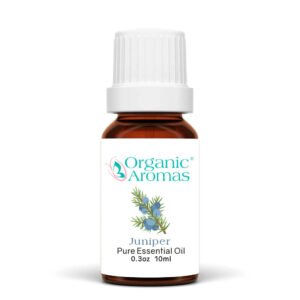
1. What is Herbal Medicine?
Herbs medicine, also known as botanical medicine or phytotherapy, involves using plant-based substances to support health and treat illnesses. It includes everything from teas and tinctures to capsules and topical applications. Unlike synthetic drugs, herbal remedies are derived from natural sources, making them a preferred choice for those seeking holistic healing.
Types of Herbal Medicine
- Herbal Teas – Infusions made from leaves, flowers, or roots.
- Tinctures – Alcohol-based extracts of medicinal plants.
- Capsules & Tablets – Processed and powdered herbs in supplement form.
- Essential Oils – Concentrated plant extracts for aromatherapy and topical use.
2. Key Benefits of Herbal Medicine
A. Supports the Immune System
Many herbs, such as echinacea and elderberry, help strengthen the immune system, making them popular choices for preventing colds and flu.
B. Promotes Digestive Health
Herbs like peppermint, ginger, and fennel aid digestion, relieve bloating, and soothe stomach discomfort.
C. Reduces Stress and Anxiety
Adaptogenic herbs, such as ashwagandha and rhodiola, help balance stress hormones and promote relaxation.
D. Enhances Brain Function
Herbs like ginkgo biloba and bacopa monnieri are known to improve memory, focus, and cognitive function.
E. Natural Pain Relief
Herbs such as turmeric, willow bark, and devil’s claw have powerful anti-inflammatory properties that can help manage pain naturally.
3. Commonly Used Medicinal Herbs and Their Uses
4. How to Use Herbal Medicine Safely
While herbal medicine is natural, it’s essential to use it correctly to avoid unwanted side effects.
A. Consult a Healthcare Professional
If you’re pregnant, taking medications, or have an existing medical condition, consult a doctor before using herbal remedies.
B. Choose High-Quality Products
Opt for organic, non-GMO herbs from reputable brands to ensure purity and potency.
C. Follow Recommended Dosages
Taking excessive amounts of herbal supplements can lead to adverse effects. Always follow the dosage instructions.
D. Watch for Allergic Reactions
Some people may be sensitive to certain herbs. Start with a small dose and observe how your body reacts.
5. Potential Side Effects and Risks of Herbal Medicine
Although herbal remedies are natural, they may still cause side effects in some individuals. Here are a few possible risks:
- Digestive issues – Some herbs may cause bloating, nausea, or diarrhea if taken in high doses.
- Allergic reactions – Certain plants, like chamomile or ragweed-related herbs, may trigger allergies.
- Interaction with medications – Herbs like St. John’s Wort can interfere with prescription drugs, reducing their effectiveness.
- Toxicity in high doses – Some herbs, such as licorice root, can lead to health issues if consumed excessively.
6. Herbal Medicine vs. Conventional Medicine: Which is Better?
Both herbal and conventional medicine have their place in healthcare. While herbal remedies offer natural healing, conventional medicine is essential for treating acute and severe conditions. The best approach is to combine both when needed under medical supervision.
7. Conclusion: Is Herbal Medicine Right for You?
Herbal medicine offers a natural way to support your health and well-being. With the right knowledge and precautions, you can harness the power of herbs to improve immunity, digestion, stress management, and overall health.
Ready to explore high-quality Herbal medicine books? Email: info@herbadion.com for the a free copy for the best natural products for your wellness journey!