Does Herbal Tea Have Caffeine? Here’s What You Should Know Before Your Next Cup
Meta Title: Does Herbal Tea Have Caffeine? Know What’s in Your Cup
Meta Description: Not all teas are created equal. Find out which herbal teas are truly caffeine-free, what to avoid at night, and how herbal infusions compare to green and black tea.
A Common Question: Does Herbal Tea Really Have No Caffeine?
You’re curled up with a cozy cup of tea before bed. You take a sip, thinking you’re winding down — but then, your brain won’t turn off.
The culprit?
Possibly caffeine.
That’s where the confusion begins. Not all “teas” are caffeine-free — and the word herbal tea gets tossed around pretty loosely. Let’s clear that up, so you can confidently choose a relaxing brew without the jitters.
🧪 What Exactly Is Herbal Tea?
Technically, herbal tea isn’t “tea” at all. True tea comes from the Camellia sinensis plant — which gives us green, black, white, and oolong teas. Those all contain caffeine in varying amounts.
Herbal tea, on the other hand, is made from flowers, leaves, roots, spices, or fruits — not from tea leaves. That’s why herbal teas are also called tisanes.
☘️ Are Herbal Teas Caffeine-Free?
In most cases — yes.
The vast majority of herbal teas are naturally caffeine-free.
That includes favorites like: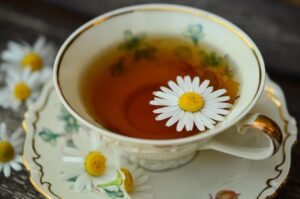
-
Chamomile
-
Peppermint
-
Lemon balm
-
Hibiscus
-
Rooibos
-
Ginger
-
Rosehip
-
Fennel
-
Lavender
-
Oregano and parsley (yes, those too)
You can sip these all day — or night — without messing with your sleep.
⚠️ But Some Herbal Teas Can Contain Caffeine
Surprised? Some blends marketed as “herbal” sneak in caffeine-rich ingredients. Always check the label.
Here are exceptions to watch out for:
-
Yerba Mate – Naturally contains caffeine (about as much as green tea)
-
Guayusa – Another South American leaf with natural caffeine
-
Blended teas – “Herbal” teas mixed with green or black tea can have hidden caffeine
So if you’re trying to avoid caffeine completely, double-check that the blend is 100% herbal — not a mix.
💤 Best Herbal Teas for Nighttime
If your goal is better sleep or less stimulation, these caffeine-free herbs are your best friends:
| Herbal Tea | Known For |
|---|---|
| Chamomile | Calming, promotes sleep |
| Lemon Balm | Eases anxiety, improves focus |
| Lavender | Relieves tension and restlessness |
| Peppermint | Soothes digestion, clears the head |
| Passionflower | Helps with insomnia and racing thoughts |
☕ Caffeine Levels in Common Teas (Compared)
| Type of Tea | Caffeine (per cup) | Caffeine-Free? |
|---|---|---|
| Black Tea | 40–70 mg | ❌ No |
| Green Tea | 25–50 mg | ❌ No |
| Yerba Mate | 30–50 mg | ❌ No |
| White Tea | 15–30 mg | ❌ No |
| Rooibos Tea | 0 mg | ✅ Yes |
| Peppermint Tea | 0 mg | ✅ Yes |
| Chamomile Tea | 0 mg | ✅ Yes |
| Lemon Balm Tea | 0 mg | ✅ Yes |
| Oregano / Parsley Tea | 0 mg | ✅ Yes |
🌿 Final Thoughts: Choose Your Cup Wisely
So — does herbal tea have caffeine?
Most don’t, but you still have to be a bit mindful. Pure herbal blends are a safe, soothing choice, especially if you’re cutting back on coffee or need something gentle before bed.
Here’s a quick checklist:
✅ Stick to single-herb teas (like peppermint, chamomile, lemon balm)
✅ Avoid blends with added green, black, or yerba mate
✅ Read the label — “herbal” doesn’t always mean caffeine-free
And hey, if you’re looking to build a tea routine that supports sleep, digestion, or immunity, check out our Herbal Tea Collection — all naturally caffeine-free and curated with care.