Chamomile Tea: How to Brew It, What Research Says, and Who Should Be Careful
Gentle, caffeine-free and easy to make at home. Here is how to brew a great cup of chamomile, what research says so far, and who should be careful with it.
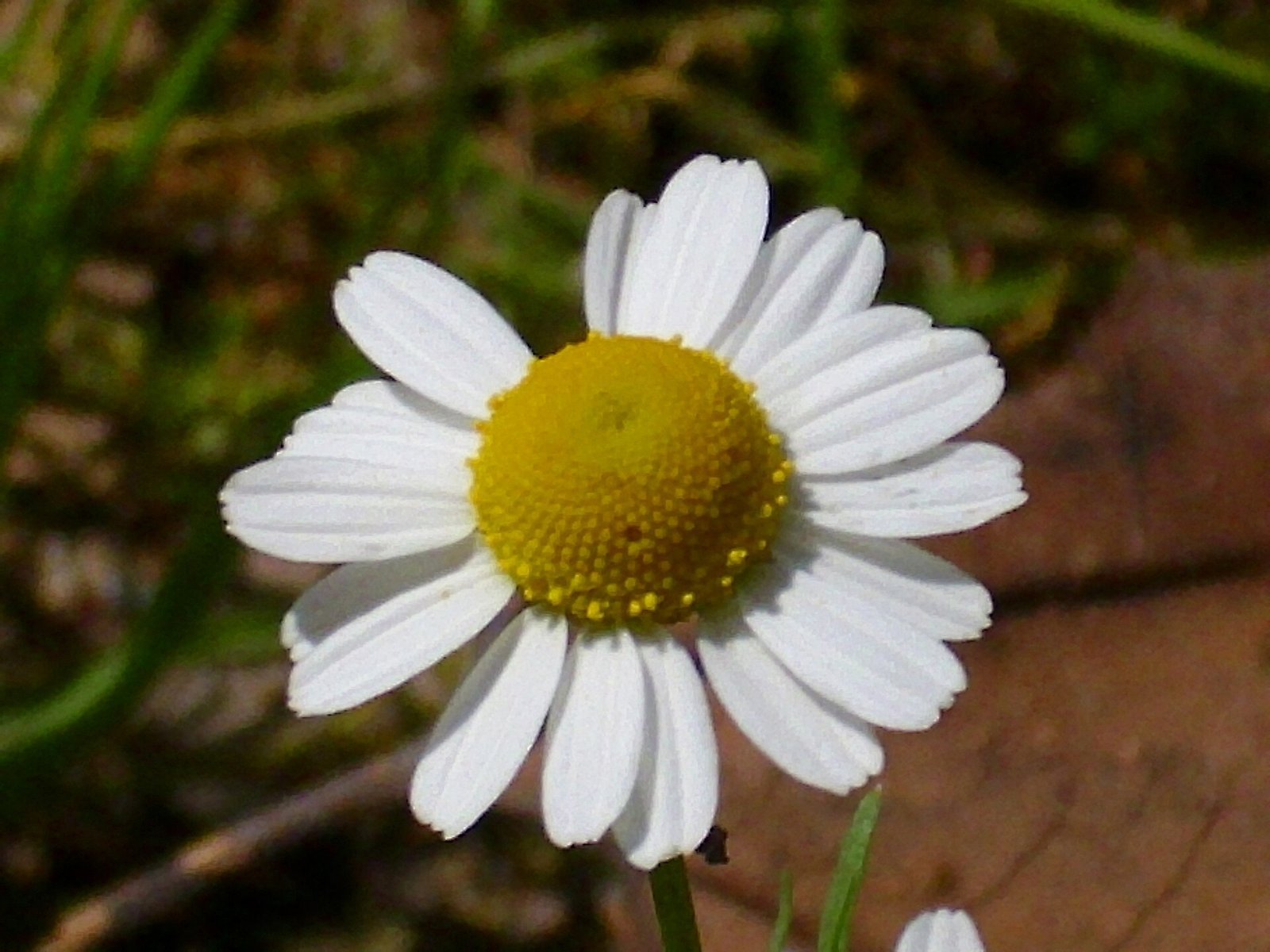
What is chamomile?
Chamomile tea is made from the dried flowers of the chamomile plant, a small daisy-like flower with white petals and a yellow centre. The flowers smell softly of apples, which is where the name comes from: it goes back to the Greek words for “earth apple”.
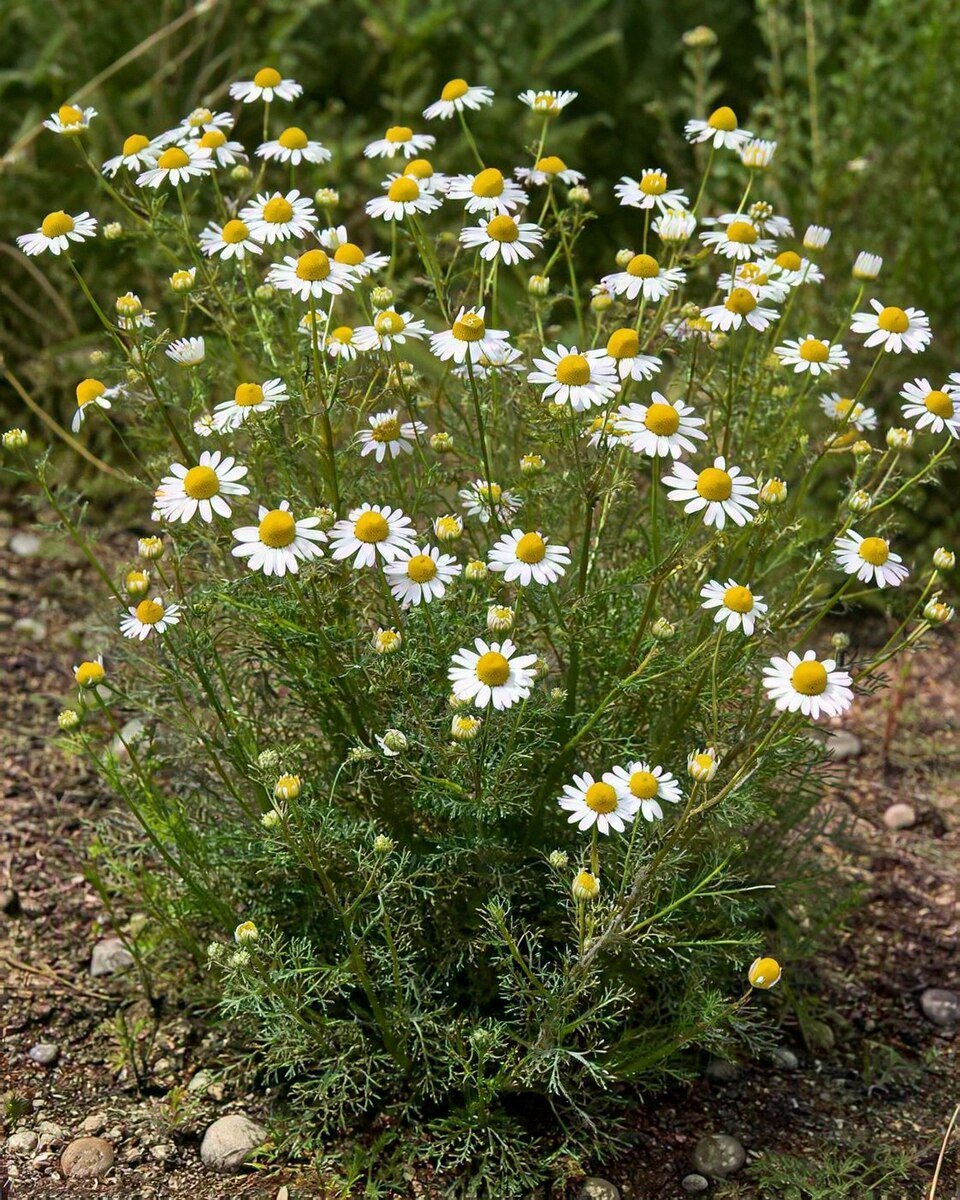
German chamomile
Matricaria chamomilla (also Matricaria recutita). The one in most tea bags. Sweeter and milder.

Roman chamomile
Chamaemelum nobile. A close relative with a slightly more bitter taste.
How to brew chamomile tea
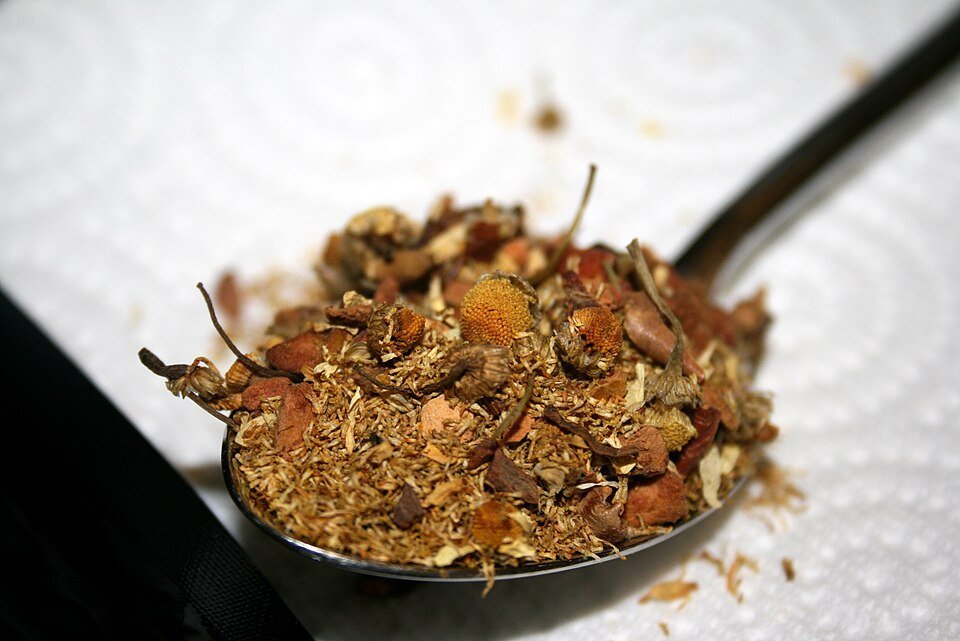
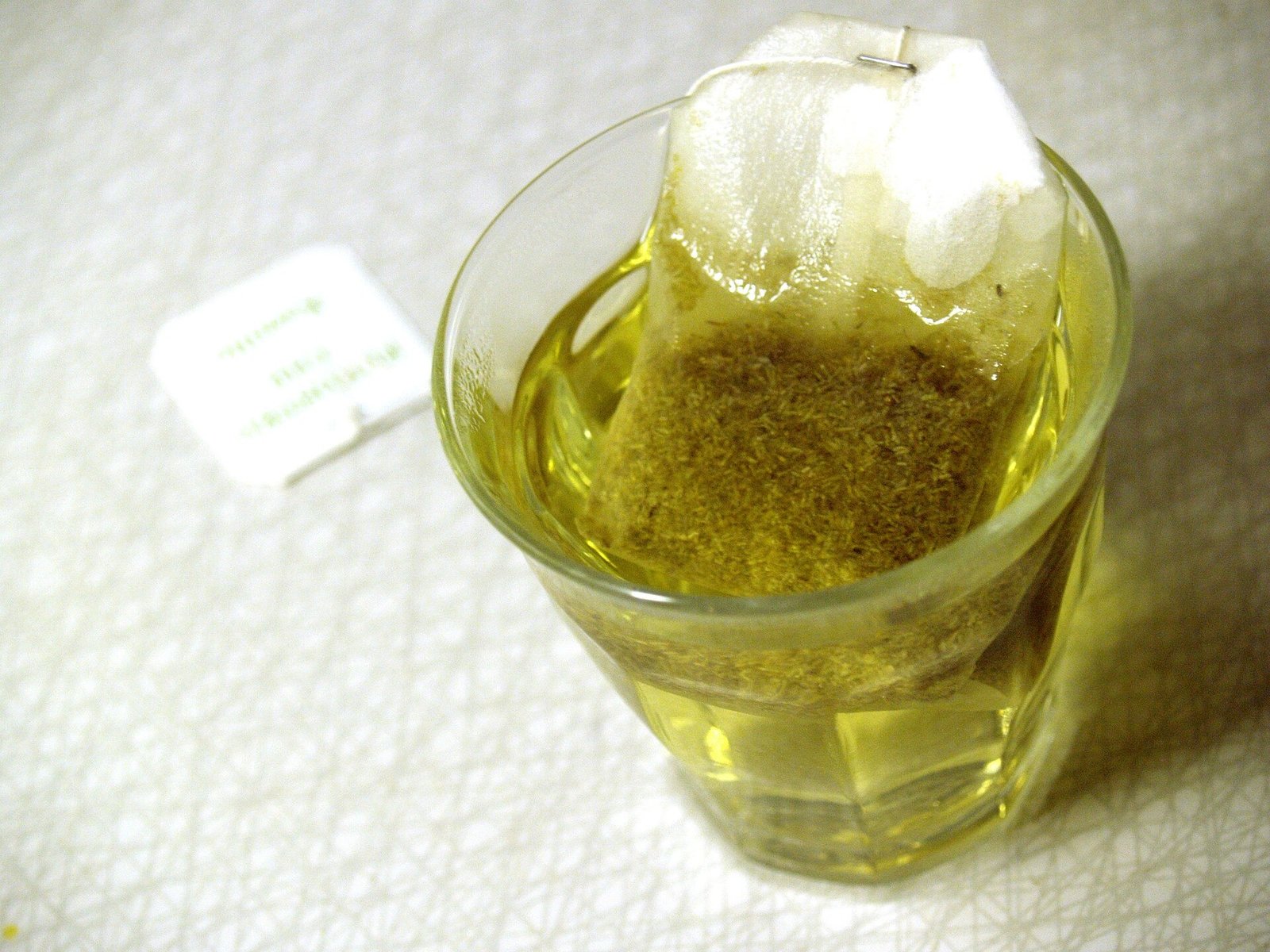
- Use 1 tea bag or 1–2 teaspoons of dried chamomile flowers per cup.
- Pour freshly boiled water (around 90–100 °C) over the flowers.
- Cover the cup and steep for 5 minutes. Covering keeps the aromatic oils in your cup instead of in the air.
- Strain, then add honey or a slice of lemon if you like.
What does the research say?
Chamomile has a long history as a calming evening drink, and scientists have started to study it. Some small studies suggest it may help with relaxation and sleep quality, and it is traditionally used for mild stomach discomfort.
However, most studies are small, many use chamomile extract rather than tea, and the results are not strong enough to call it a treatment for any condition.
Who should be careful with chamomile?
- People with plant allergies: chamomile belongs to the daisy family, like ragweed, chrysanthemums and marigolds. If you are allergic to these, chamomile may cause a reaction.
- People taking blood thinners such as warfarin, or other regular medicines: chamomile may interact with some drugs. Ask your doctor or pharmacist first.
- Pregnant or breastfeeding women: check with your doctor before drinking herbal teas regularly.
- Before surgery: tell your doctor about any herbal teas or supplements you use.
Easy chamomile blends to try
Frequently asked questions
Does chamomile tea have caffeine?
No. Pure chamomile tea is naturally caffeine-free, so it is a popular choice in the evening. Read more in Does Herbal Tea Have Caffeine?
Can I drink chamomile tea every day?
For most healthy adults, a cup or two a day is generally considered fine. If you take medicines, are pregnant, or are allergic to daisy-family plants, check with a doctor first.
German or Roman chamomile: which is better for tea?
German chamomile is the most common in tea bags and tastes sweeter and milder. Roman chamomile is a little more bitter. Both make a pleasant cup, so choose the flavour you prefer.
Keep reading
This article is for general information only and is not medical advice. Always talk to a qualified health professional before using herbs for a health concern.