
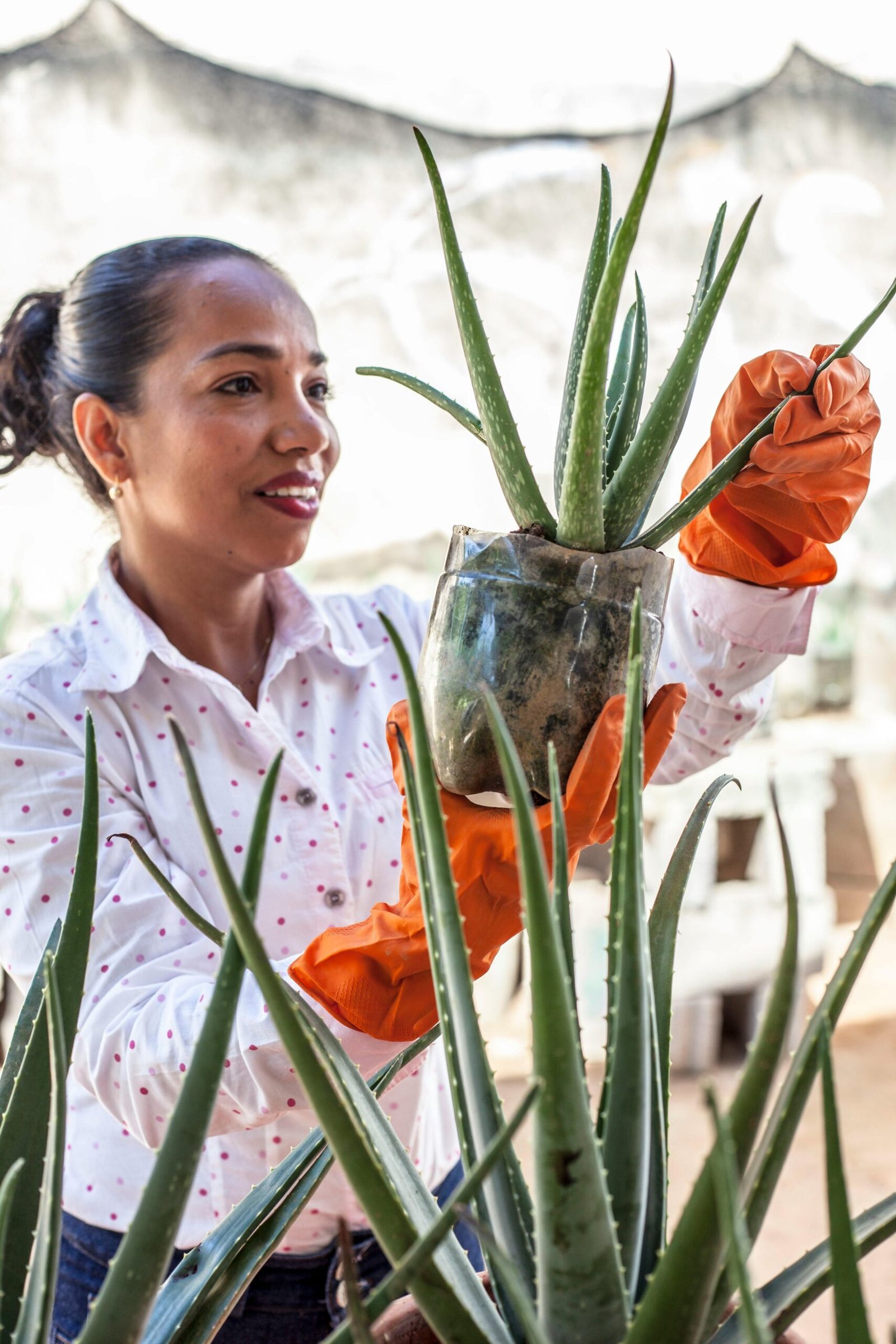
Aloe Vera: The Plant Everyone Reaches For (Often Without Thinking Why)
There are certain things you just grow up seeing around the house — olive oil in the cupboard, a jar of honey somewhere near the stove, and in many homes, a chunky green aloe plant sitting quietly by a window.
Nobody ever made a big speech about it. It was just there. And when someone burned a finger or came home sun-roasted from the beach, someone would say, “Go take a bit of aloe,” like it was the most obvious solution in the world.
Funny thing is… they were right.
Aloe vera doesn’t shout for attention. It’s not exotic or dramatic. But when you open a leaf and touch that cool gel — it feels like the plant was made specifically to calm, soothe, and help.
What Aloe Vera Actually Is (In Simple Words)
Aloe vera is a fleshy, desert-loving plant. The leaves look tough on the outside, but inside there’s a soft, clear gel that feels like water mixed with silk.
That gel is where all the “magic” lives — vitamins, minerals, antioxidants, soothing compounds.
Nature packed a lot inside those leaves.
Why People Love Aloe Vera (A Human Explanation)
1. It just… calms things down
If you’ve ever had a fresh sunburn, you know the panic: “This is going to hurt for days.”
Then someone hands you aloe gel. One gentle swipe — and everything cools down.
It’s instant relief. Almost surprising.
Aloe works the same way for irritation, redness, and those small kitchen burns we never admit were our own fault.
2. Skin drinks it up
Aloe feels watery, but the skin reacts like it’s getting something deeper.
It sinks in fast.
No greasy layer, no stickiness, just this soft hydrated feeling, like your skin just sighed.
Great for dry spots, everyday moisture, or when your face feels tired.
3. A small helper for digestion
Some people take a spoon or two of aloe juice when their stomach feels heavy or off.
It’s mild — not a strong medicine — but it brings a gentle ease.
Think of it like the herbal version of a quiet helping hand.
(Important: only the purified juice, never the bitter yellow latex near the leaf skin.)
4. A little antioxidant support
Aloe isn’t a superhero plant that fixes everything, but it contains natural antioxidants that help the body deal with stress.
Nothing dramatic — just steady support.
5. It reduces inflammation (inside and out)
From a puffy mosquito bite to a sore patch of skin, aloe has this calm-before-the-storm energy.
It’s cooling by nature — perfect for moments where your body feels overheated or irritated.
Traditional Ways People Used Aloe
Long before modern skincare brands bottled it, aloe was used for:
-
wound soothing
-
digestion
-
skin beauty treatments
-
cooling fevers
-
moisturizing hair and scalp
It’s one of those plants that simply followed humans through history.
How You Can Use Aloe Vera Today
For the skin (the classic way)
Open a leaf → scoop the gel → apply.
It’s that simple.
And honestly? The fresh version feels different from the bottled ones.
Keep the extra gel in the fridge. Cold aloe is heavenly.
Aloe juice for digestion
Mix a tablespoon with water, lemon water, or even a smoothie.
Start small.
Let your body decide how much it likes.
For hair and scalp
Blend the clear gel until smooth and massage it onto your scalp.
It feels cooling and helps when the scalp is dry or flaky.
Minor cuts and bumps
A small layer of aloe helps the skin feel less angry and more comfortable while healing.
A Few Cautions (Because Natural Doesn’t Mean Anything Goes)
-
Avoid the yellow latex part — it’s harsh.
-
Pregnant or breastfeeding individuals should check with a doctor before drinking aloe.
-
If you have sensitive skin, test a tiny area first.
-
Don’t use aloe on deep or serious wounds.
Used responsibly, it’s one of the safest plants you can keep around.
Why Aloe Fits Herbadion
Aloe vera belongs exactly where Herbadion is heading — natural, simple, honest remedies that feel like something your grandmother would approve of.
It’s gentle, familiar, and genuinely helpful.